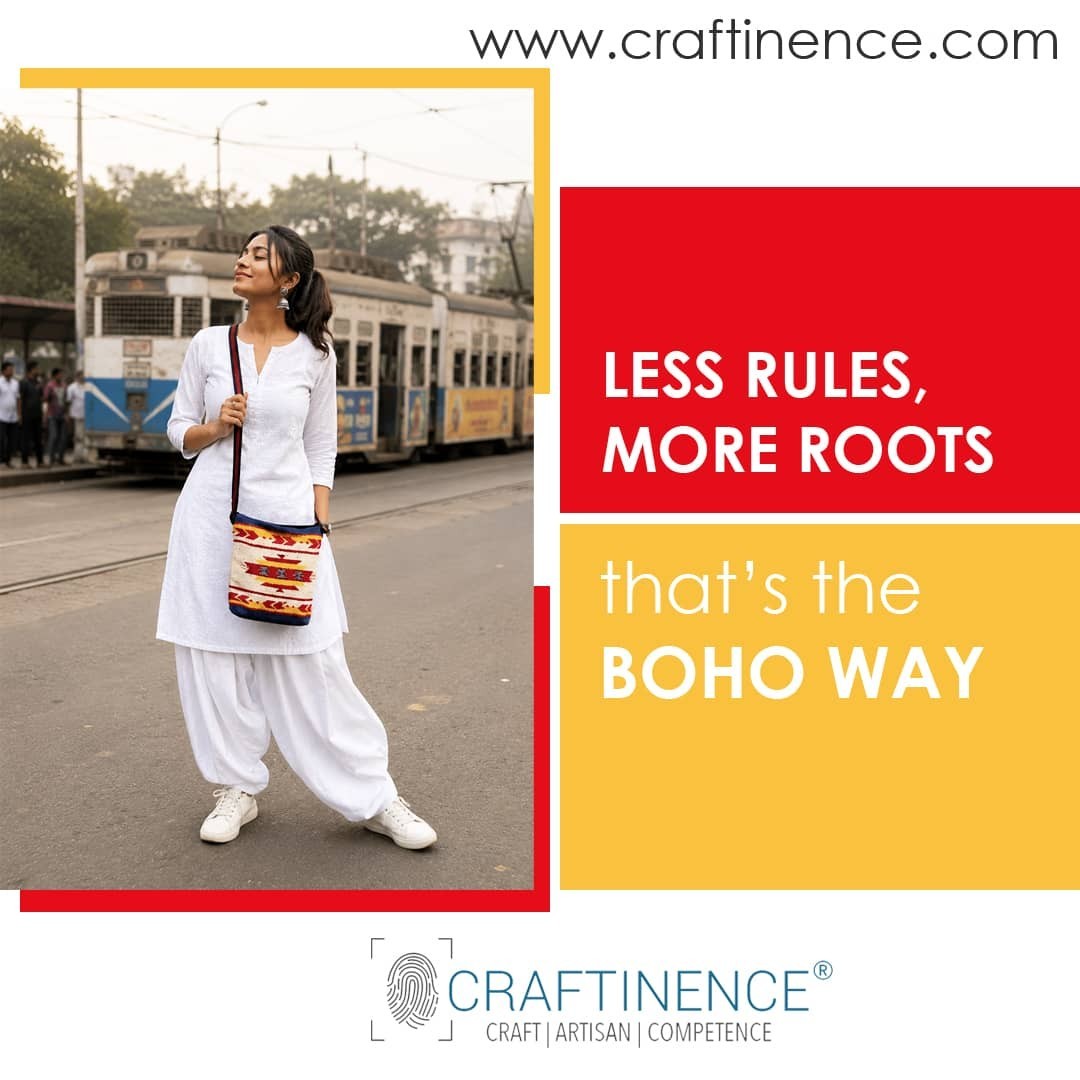
Stop buying satchel bags that look like everyone else's
comment
0 comments

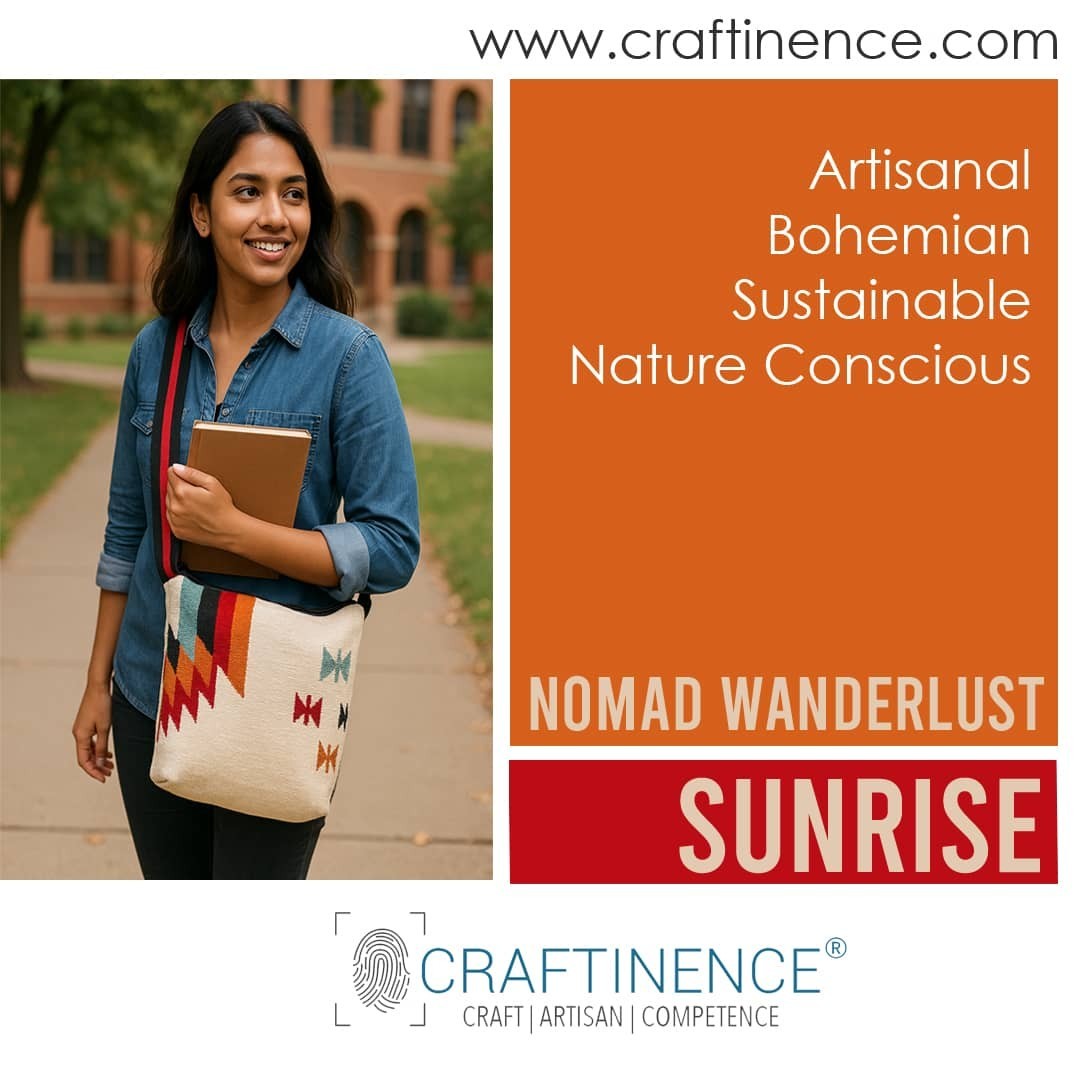
This is undoubtedly a burning fact that, this recent pandemic had left the entire global economy upside down. While this has opened up numerous possibilities in the digital sphere and other advanced tech driven platforms using artificial intelligence (AI) or machine learning, several industries like airlines, travel & tourism was the worst affected ones.
One of the key industries among the badly hit ones is the Indian craft sector. Due to the strict regulatory limitations and off late interim statewide lockdowns this sector was impacted heavily as there were almost no markets, zero conversion, sales or any positive initiatives by the prospective buyers nationally or from the international ground.
Time for the New Normal
While the entire artisan communities were focusing more on the daily needs during the initial days, small scale business owners were focusing on the sustainability, daily overheads, paying wages and procurement of raw materials. As the time progressed there are several speculations are emerging which kept the overall industry in to more confusion and panic. As the inevitable global socio economic dip down means lower purchase capacity, shift of preference for necessity products over handicraft or luxury items – the trend seems to be prevailing for a long time. Per the pessimist group of economist, it would take years to achieve the pre-pandemic growth rate and get back to the normal. So, it was thought perhaps the time has come when like other behavioral initiatives as a industry should also get accustomed with the New Normal & consider the bleak future.
But, the question remains the same.
What’s stored in the future?
All though the insecurities and unprecedented scenarios hovering across all the industries worldwide , perhaps there is a silver lining which could be promising and potential in the long run perspective.
As the entire nation went for lockdown to cut down the severity of the outbreak and break the chain of the virus, the creative sector got an enormous opportunity to seat together and brainstorm which was indispensable to innovate and was missing so far. In fact merchandisers, designers, artisans, craft clusters were working on their own silos. Lockdown has enabled them to discuss the pain points, identify the bottlenecks, do a deep diving for the root cause analysis and recommend a corrective resolution to address the issues. Virtual world seemed to be suddenly focusing on the value proposition of handmade and buzzing with words like crafts, crafts people, their craftsmanship in each discussion forums over Zoom, Whatsapp, Social channels and video conferencing. As a leader even our prime minister mentioned artisans in his Letter to the Nation.
The paradigm shift
For the very first time people thought about the people who are labeled as the Doers. People who remain in the sublime so far and their life remained unexplored. As we had seen in the case studies of “Fashion Revolution” consumers are more keen to know “Who Made My Clothes?” or business are opening up to inform “Who Made Your Bag?”
We understood the importance of Handmade, the role of the artisans or the Karigars & the importance of promoting their craftsmanship and the dedication to create something interesting.
That is the very moment we thought to curate a platform which is very much artisan centric and to promote everything that is artisanal in nature.
We formed our own Consortium of Craft, Artisan & Competence – acronymed CRAFTINENCE
From the ancient age the entire consumer base had a good demand for the handmade products specially crafted in India, and our country was contributing substantially in this sector. But, somewhere due to the improper socio economic imbalance was not helping the underprivileged and the artisan communities to get their real worth.
The realization impacted the entire community so hard that they were bound to understand the seriousness of standing in solidarity to the craft sector. This is not possible with sole initiative so a joint effort is highly desired. The concept of inclusive approach is the need of the hour.
So now as we found our goal, the next task was HOW we could help the artisan community?
Alternate routes for better reach
As the ongoing lockdowns and business activity restrictions was impacting the corporates and the SMBs, artisans were clueless about their future. The event managers & organizing committees found it risky to invite crafts people to travel from their native places to the urban metros.
So a digital interference was needed to give an edge which was indispensable.
Retailers seem to be facing tremendous pressure to opt and get into an end to end digital transformation. Proactive measures were highly visible converting retailing in to Etailing. Consumers are getting accustomed with the jargons like PHYGITAL – a blended experience which marries online & offline environments, got immediate popularity as it contains the best components from the retail experience like immediacy, immersion and speed to interact and engage the audience – effective enough than the conventional brick and mortar shopping experience.
What engaged us and kept busy for the last few months?
That is when we found, that the communication channels needs to experience the similar evolvement. There was a clear gap between the understanding of ethics and sustainability and the market dynamics. As a bridging solution – we engaged our self to learn more and more about the sustainable living which majorly depends upon the concept of inclusive approach.
We found it interesting.
The journey from WHAT to HOW?
The opportunity lies in to the process of understanding of what people are looking for and how we are addressing it. Handmade products are time consuming as it requires lot of effort and craftsmanship to ensure a valuable wonder. Handicraft is known for its unique feature of being crafted. So technically it’s a process of making substantial product to address and meet a requirement conserving the creative nature.
Earlier in order to promote the artifacts, artisans require traveling from pillar to post or from one location to entirely distant places – but considering the contagious nature of the virus it was next to impossible.
As the proverb says it’s not about WHAT you are saying its more about HOW you are saying. Hence we understood the story telling is much more effective than the physical movements. Every financial transaction is the result of certain triggers which persuades the consumer to spend for something – something which is has value, will meet a purpose or addresses consumer requirement.
As the internet enables us to represent it visually and in more creative form this had given us a wide scope to explore where we can effectively engage people, talk about things, issues that matter, social platforms where we can hear their views, engage them strategically to understand their preferences and come up with something that impacts life – be it the Doers & the Consumers.
To be continued..
©2026 CRAFTINENCE INDIA | All rights reserved


